Morocco is one of the most attractive destinations in North Africa, famous for its ancient cities, Sahara Desert, Islamic architecture, traditional souks, and unique culture. If you are planning a trip to Morocco in 2026, checking the visa requirements should be one of your first steps.
This guide explains what the Morocco eVisa is, which documents you may need, and the common mistakes to avoid before submitting your application.
What Is the Morocco eVisa?
The Morocco eVisa is an electronic visa system that allows eligible travelers to apply online instead of visiting an embassy or consulate in person. Applicants complete the form digitally, upload the required documents, and receive the result online if the application is approved.
Morocco’s official eVisa system is managed through the Accès Maroc online portal. Before applying, you should check the official platform to confirm:
-
Whether your nationality is eligible
-
The correct visa category
-
Required supporting documents
-
Estimated processing time
-
Visa fees
-
Latest entry requirements
It is important not to rely entirely on social media or unofficial websites, as visa regulations may change over time.
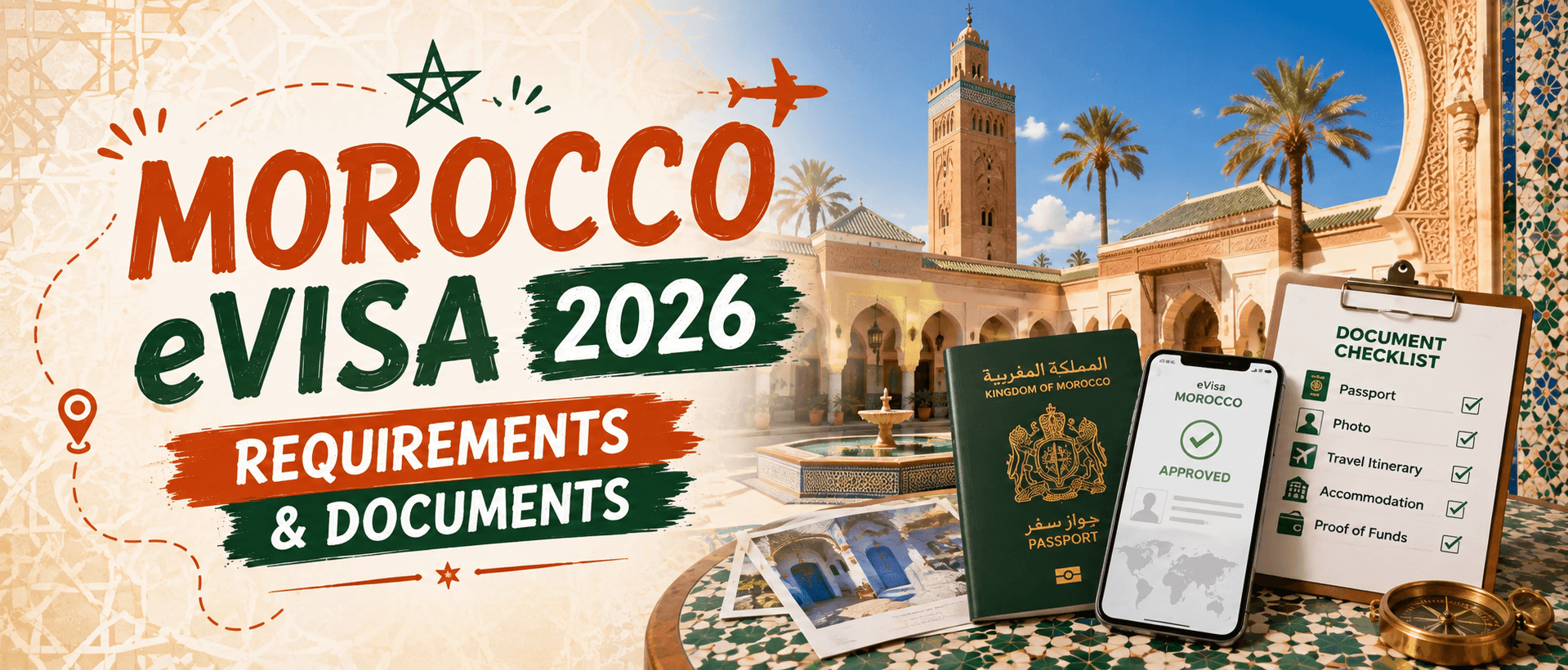
Basic Documents Required for a Morocco eVisa 2026
Depending on your nationality and travel purpose, the system may request different documents. However, most applicants should prepare the following:
1. Valid Passport
Your passport is the most important document for the Morocco eVisa application. All information entered in the application form must exactly match your passport, including:
-
Full name
-
Date of birth
-
Nationality
-
Passport number
-
Date of issue
-
Expiry date
Before applying, make sure your passport remains valid for the required period. If your passport is close to expiring, renewing it before applying is highly recommended.
2. Passport-Style Photo
Applicants are usually required to upload a recent portrait photo that meets the system requirements. The photo should show your face clearly with a simple background and good lighting.
Common photo mistakes:
-
Blurry image
-
Dark lighting
-
Face covered by hair, sunglasses, or accessories
-
Photo cropped too tightly
-
Using a photo scanned from old documents
-
Incorrect file format or size
A photo that does not meet the requirements may delay the application or require resubmission.
3. Passport Information Page Scan
You should prepare a clear scan or high-quality image of your passport information page. This is the page containing:
-
Your photo
-
Full name
-
Date of birth
-
Nationality
-
Passport number
The file should be clear, without glare, missing corners, or hidden information. If immigration officers cannot read the details properly, your application may be affected.
4. Travel Information
When applying for a Morocco eVisa, it is helpful to prepare basic travel details in advance, such as:
-
Planned entry date
-
Length of stay
-
Intended destinations in Morocco
-
Accommodation address
-
Contact information
-
Basic travel itinerary
Providing clear travel information can help make your application more consistent and reduce mistakes.
5. Flight Booking or Travel Details
Depending on your case, you may need to provide:
-
Round-trip flight reservation
-
Proof of onward travel
-
Travel itinerary details
These documents help demonstrate your plan to enter and leave Morocco within the permitted period.
If you are unsure about the exact requirements, check the official system before paying for any non-refundable bookings.
6. Accommodation Confirmation
You may also need proof of accommodation, such as:
-
Hotel booking confirmation
-
Invitation letter from friends or family in Morocco
-
Full accommodation address
-
Supporting documents if staying with a host
Your accommodation details should match the travel itinerary declared in your application.
7. Additional Eligibility Documents (If Required)
In some situations, applicants may need to prove they hold a valid visa or residence permit from certain countries recognized by Morocco for eVisa eligibility.
If requested, you should prepare a clear scan of the relevant document. It must still be valid at the time of application and meet the conditions listed in the official system.
Required Documents Based on Travel Purpose
1. Tourism
If you are visiting Morocco for tourism, the application usually focuses on:
-
Passport
-
Passport photo
-
Passport information page
-
Basic itinerary
-
Accommodation confirmation
-
Flight booking or onward travel details if required
Your travel purpose should clearly indicate tourism, sightseeing, cultural exploration, or leisure travel.
2. Visiting Friends or Family
If you are traveling to Morocco to visit relatives or friends, additional documents may include:
-
Invitation letter
-
Host information
-
Accommodation address in Morocco
-
Residence permit or ID documents of the host if requested
The host information should be accurate and consistent with the accommodation details in your application.
3. Short Business Trip
For business travel, you may need extra documents such as:
-
Invitation letter from a Moroccan company or partner
-
Company information
-
Meeting schedule or business agenda
-
Proof of employment if required
It is important not to use a tourist visa if your primary purpose involves business meetings or commercial activities.
Important Things to Check Before Applying
1. Is Your Nationality Eligible?
This is the most important step. If your nationality is not eligible for the Morocco eVisa program, your application may not be accepted. Always verify directly through the Accès Maroc portal.
2. Is Your Passport Valid Long Enough?
Your passport must meet the current validity requirements. Besides the expiry date, make sure the passport is not damaged, torn, or difficult to read.
3. Is All Information Consistent?
Details on your passport, visa application, flight reservation, accommodation booking, and invitation letter should match exactly. Even small differences may lead to additional review.
4. Are You Applying for the Correct Visa Type?
Tourism, family visits, and business trips may require different supporting documents. If your trip includes multiple purposes, carefully review the appropriate visa category before applying.
5. Are Additional Eligibility Documents Required?
Some Morocco eVisa applications may require proof of residence permits or visas from other countries. If requested, these documents must be clear, valid, and compliant with official requirements.
Common Mistakes When Applying for a Morocco eVisa
Some common errors that may delay or affect your application include:
-
Not checking nationality eligibility
-
Entering the wrong passport number
-
Writing a name differently from the passport
-
Uploading incorrect photos
-
Blurry passport scans
-
Incomplete accommodation details
-
Unrealistic travel itinerary
-
Missing supporting documents
-
Applying too close to the departure date
Before submitting, review every section carefully. Many eVisa issues happen simply because applicants rush through the form or upload the wrong files.
Should You Use a Visa Support Service?
You can apply on your own if your case is straightforward and you fully understand the requirements. However, visa support services may be useful if:
-
You are unsure about your eVisa eligibility
-
Your application includes invitation letters or residence permits
-
You want help reviewing photos, passport scans, or application details
-
You are traveling soon and want to avoid mistakes
-
You are unfamiliar with online visa applications
A visa support service cannot guarantee approval, but careful document review may help reduce errors and save time.
Conclusion
To apply for a Morocco eVisa in 2026, you should prepare documents based on your nationality, travel purpose, and the latest official requirements. Commonly requested documents include your passport, passport photo, passport information page scan, travel itinerary, accommodation proof, and additional supporting documents if required.
Before applying, always verify the latest information through Morocco’s official eVisa portal. Visa regulations may change, and checking directly with official sources is the best way to avoid unnecessary problems.